
PSA Standard vs Priority: $20 Cheaper, a Month Slower
PSA opened a $59.99 Standard service level on September 14 with a 90 to 100 business day wait. We ran live grade grids to find where the $20 saving pays.
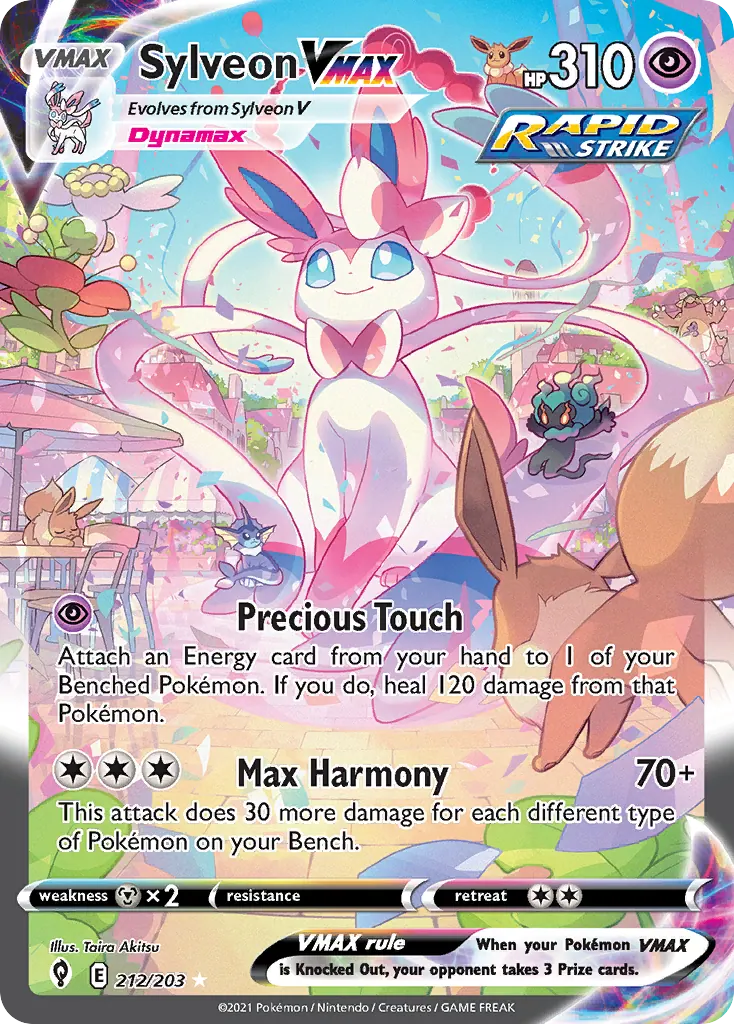
PSA opened a new cheapest grading tier today, and it is the slowest service the company currently sells. Standard costs $59.99 a card, and PSA's own pricing page puts the estimate at 90 to 100 business days. Business days skip weekends and federal holidays, so a card handed over tomorrow comes back somewhere between January 27 and February 10 of next year.
The tier it undercuts is the one most flippers have been stuck with since June. That one is now called Priority, still costs $79.99, and still runs 70 to 80 business days, which lands between December 28 and January 12. The whole decision comes down to twenty dollars against about four extra weeks in line. We pulled live PriceCharting grade grids on six cards this morning to work out which side of that trade is worth taking.
What PSA's service levels cost after the September 14 changes
PSA did three things at once. It opened Standard, it renamed two existing tiers, and it raised the price of Express. Here is the board as PSA's pricing page showed it on September 14, with return windows counted from tomorrow.
| Service level | Price | Max insured value | Turnaround | Back by |
|---|---|---|---|---|
| Standard | $59.99 | $1,000 | 90 to 100 business days | Jan 27 to Feb 10 |
| Priority | $79.99 | $1,500 | 70 to 80 business days | Dec 28 to Jan 12 |
| Express | $199.00 | $2,500 | 20 to 30 business days | Oct 14 to Oct 28 |
| Super Express | $349.00 | $5,000 | 10 to 15 business days | Sep 29 to Oct 6 |
| Premier | $599.00 | $10,000 | 7 to 10 business days | Sep 24 to Sep 29 |
Priority is the tier you knew as Regular, and Premier is the one you knew as Walk-Through. Nothing about either changed except the name, so if you have a submission open under the old labels, PSA says orders already in progress get graded under the terms you sent them on.
Value, Value Plus, Value Max and Value Bulk are all still paused, as they have been since June 2. PSA was careful to say Standard is not a replacement for them, and it buried one line in the announcement that matters more than the headline price: Standard orders will be processed following existing Value and Bulk orders. Your card goes behind a queue that was already closed to new entries, and PSA reported an active global backlog of roughly 9.9 million units the day before it opened the tier. Treat 90 to 100 business days as an estimate made under load rather than a promise.
Sports Card Investor covered the announcement against that backlog figure, and the segment is a good sense check on how the rest of the hobby read it:
PSA Standard vs Priority: what the extra month actually costs
Twenty dollars is real money on a cheap card and a rounding error on an expensive one. What decides this is how far your card's price moves while it sits in PSA's queue.
We already measured that. Back on August 31 we pulled three months of price history on nine Evolving Skies chase cards and found the PSA 10 prices had fallen while the raw copies held flat, by a median of 14.4% between June 1 and August 31. That works out to roughly 5% a month. Run the $20 saving against a 5% monthly slide and it stops paying at about $400 of PSA 10 value.
Here is what that looks like on six cards, with every price read off PriceCharting this morning.
| Card | PSA 10 today | Cost of one more month at 5% | Better tier |
|---|---|---|---|
| Duraludon VMAX #220, Evolving Skies | $67.00 | $3.38 | Standard, by about $17 |
| Dragapult ex #165, Prismatic Evolutions | $219.50 | $11.09 | Standard, by about $9 |
| Glaceon VMAX #209, Evolving Skies | $539.00 | $27.22 | Priority, by about $7 |
| Morpeko ex #117, Pitch Black | $600.00 | $30.30 | Priority, by about $10 |
| Sylveon VMAX #212, Evolving Skies | $630.00 | $31.82 | Priority, by about $12 |
| Umbreon VMAX #215, Evolving Skies | $4,175.50 | $210.90 | Priority, and it is not close |
That 5% figure is a median from one set over one quarter, and individual cards are all over the place. Dragapult ex #165 has gone from $297.00 on July 13 to $219.50 today, which is closer to 14% a month, and at that rate the $20 stops paying at about $150. Morpeko ex #117 has barely moved, $618.23 on July 31 against $600.00 today, or about 2% a month, and on a card drifting that slowly the saving holds all the way up to the tier's own ceiling. Glaceon VMAX #209 actually went up over the past two weeks, from $535.00 on August 31 to $539.00 today, and on a card doing that the extra month is free.
So the honest version of the breakeven is a range rather than a number. Somewhere around $400 in a PSA 10 is the middle of it, it drops toward $150 on anything falling hard, and it disappears entirely on a card that is holding. Check which of those three your card is doing before you pick the tier.
The $1,000 insured value cap decides more cases than the price
Every tier carries a ceiling on what you are allowed to declare the card is worth, and Standard's is $1,000, the lowest on the board. That single number takes the tier away from a lot of the submissions where grading earns the most.
Umbreon VMAX #215 is the obvious one. It reads $2,109.81 raw and $4,175.50 in a PSA 10 this morning, so Standard was never available on it and neither was Priority at $1,500. The card belongs in Super Express or above on the cap alone. Sylveon VMAX #212 at $630.00 and Morpeko ex #117 at $600.00 both fit inside Standard's cap comfortably, and on both of them the extra month costs more than the tier saves.
Declared value is also where people get billed. PSA can move a submission up a tier and charge you the difference when the graded card turns out to be worth more than you said, which is the whole subject of our piece on the upcharge rule. A $59.99 tier with a $1,000 ceiling gives that rule more room to bite than anything PSA has sold recently, so pick the tier off what the card is worth in a 10, not off what you paid for it raw.
Express went up $50 on the same day, which changes our old advice
The other half of this announcement went the other way. Express moved from $149.00 to $199.00, and PSA said plainly why: demand for that tier grew faster than the capacity behind it, and the price went up to protect the 20 to 30 business day estimate.
That breaks a recommendation we made three weeks ago. On August 24 we worked through whether skipping the queue on Express was worth $69 and concluded that on a modern in-print chase card worth somewhere between $700 and $1,500 in a PSA 10, the upgrade usually came back. The gap in that post was $69.01. As of today it is $119.01, so the card has to fall by $119.01 rather than $69.01 while it waits, and the bottom of that recommended range no longer clears. On the 5% monthly slide above, a card now needs roughly $800 of PSA 10 value and the full ten week saving before Express pays for itself, and our old $700 floor was already generous. Read that post as the method rather than the number.
What we would actually send on Standard
Standard is a genuinely good tier for the submission most people are least excited about. Bulk-ish modern cards worth under about $300 in a PSA 10, where the fee is a big share of the cost and four extra weeks barely moves the price, are exactly what it is for. Duraludon VMAX #220 at $67.00 is the shape of card that belongs there, and at $79.99 it was borderline worth grading at all.
What it is not good for is the card you are excited about. Anything north of roughly $400 in a PSA 10, anything falling faster than the market around it, and anything that clears the $1,000 ceiling all belong on Priority or above. We track submission costs and return windows against live prices inside Flipr for exactly this reason, since the cheapest tier on PSA's page and the cheapest tier for your card are frequently not the same one.
One thing worth watching between now and February: PSA has said it will reopen the Value tiers in phases, and Standard sitting behind the existing Value and Bulk queue is the tell for how much room it actually has. If the 90 to 100 day estimate slips past February on the first wave of Standard orders, the $20 stops being the point and the calendar becomes the whole trade.
Want to flip smarter, not harder?
Flipr's free toolkit surfaces the most profitable cards to grade and the spreads to arbitrage, refreshed every 30 minutes. Twelve tools, zero subscriptions.
Open FliprMore on PSA flipping
PSA 10 Pokemon Card Prices Are Dropping Faster Than Raw Cards
We re-checked eight cards we covered since May. Raw prices fell about 14%, PSA 10 prices fell about 19%, and the reward for grading shrank on six of the eight.
Most PSA 9 Pokemon Cards Are Not Worth Cracking
Live PriceCharting grids and PSA's own fee page show what cracking a PSA 9 and resubmitting costs in 2026. The $1,500 insured value cap is the catch.
Evolving Skies PSA 10 Prices Fell While Raw Cards Held
PSA 10 prices on nine Evolving Skies chase cards fell between June and August while the raw copies held flat. The pop report explains the split.