
Grading Cheap Pokemon Cards Loses Money on the PSA 9
We ran live price grids and PSA population numbers on eight Pokemon cards on October 19. Both cards under $15 raw lost money, and the PSA 9 is why.
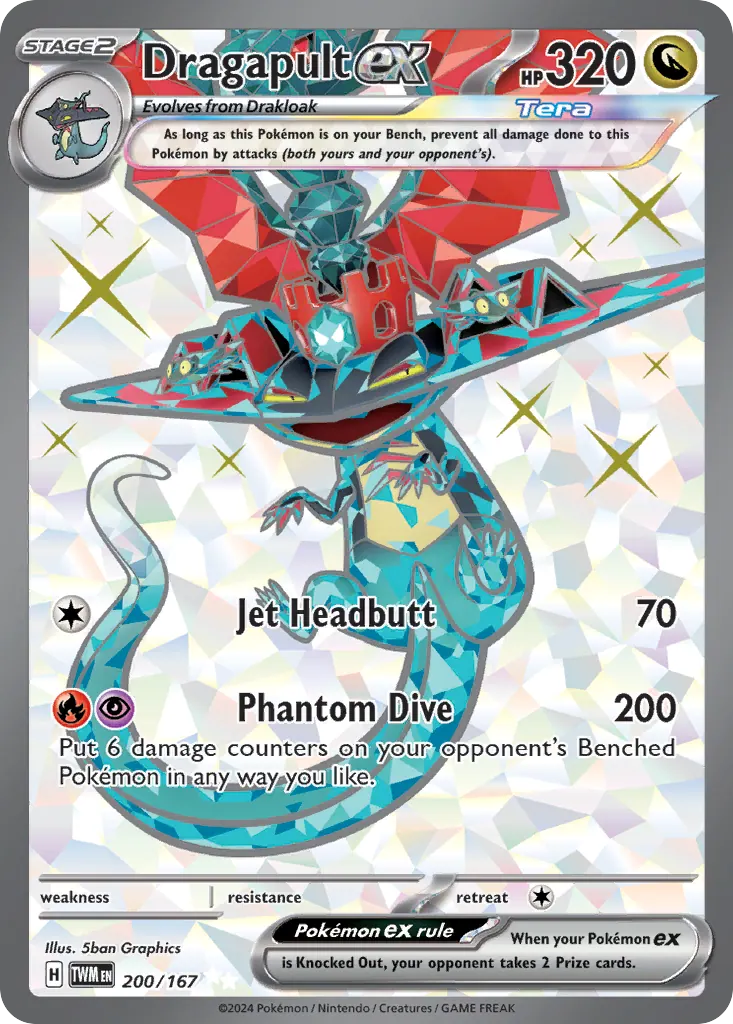
Collectors have sent PSA 6,647 copies of the Obsidian Flames Charizard ex. A raw one sells for $6.82 today and the PSA 10 sells for $103.20, which is the kind of gap that gets people filling out submission forms at midnight. Send a hundred of those cards in at today's rates and you come back about twelve dollars a card worse off.
Almost every guide to this question hands you the same rule: don't grade anything worth less than about $40 to $50 raw. The number lands close to right. The reasoning underneath it, which is to compare the raw price against the PSA 10 price and submit if the gap looks big, is exactly what sends people wrong on a card like that Charizard.
We pulled live price grids on eight Pokemon cards on October 19 and matched each one against PSA's population numbers to work out what an average submission actually comes back worth.
Is it worth grading a cheap Pokemon card?
No, and the reason has nothing to do with the size of the PSA 10 premium. Plenty of cheap cards have enormous ones. The problem is that cheap cards have worthless PSA 9s, and roughly half of everything you send in comes back a 9.
What PSA charges right now
PSA's pricing page on October 19 still shows both Value tiers as unavailable, where they have sat since June. Standard is the cheapest service the company sells at $59.99 a card, capped at $1,000 of insured value and estimated at 90 to 100 business days. Priority runs $79.99 with a $1,500 cap, and Express jumps to $199.00 with a $2,500 cap. We went through what the twenty dollars between Standard and Priority actually buys when the cheaper tier opened in September.
Every cost below uses the cheapest tier a card's value allows and nothing else. No shipping to PSA, no insured return postage, no supplies. Adding those makes the cheap cards look worse, so leaving them out keeps the test generous.
Eight Pokemon cards, from $7 raw to $1,755
Prices came off PriceCharting on October 19, 2026, and the gem rate is each card's English base printing in the PSA population report as of the October 1 snapshot. "Average return" is what a copy comes back worth once you weight the 10, the 9, and everything below a 9 by how often PSA actually hands out each one.
| Card | Raw | PSA 9 | PSA 10 | Gem rate | Cost in | Average return | Result |
|---|---|---|---|---|---|---|---|
| Charizard ex, Obsidian Flames #125 | $6.82 | $22.99 | $103.20 | 41.3% | $66.81 | $54.69 | -$12.12 |
| Dragapult ex, Twilight Masquerade #200 | $12.44 | $26.00 | $54.27 | 40.2% | $72.43 | $37.12 | -$35.31 |
| Charizard ex SIR, Obsidian Flames #223 | $94.10 | $120.00 | $669.84 | 22.3% | $154.09 | $234.61 | +$80.52 |
| Pikachu ex SIR, Surging Sparks #238 | $252.50 | $274.96 | $761.04 | 34.8% | $312.49 | $442.28 | +$129.79 |
| Lugia V, Silver Tempest #186 | $456.20 | $495.00 | $1,250.00 | 54.7% | $516.19 | $901.07 | +$384.88 |
| Giratina V, Lost Origin #186 | $777.75 | $877.50 | $3,150.00 | 40.4% | $857.74 | $1,772.48 | +$914.74 |
| Mew ex SIR, Paldean Fates #232 | $862.65 | $784.00 | $2,801.00 | 32.8% | $942.64 | $1,434.73 | +$492.09 |
| Umbreon VMAX, Evolving Skies #215 | $1,754.79 | $2,052.50 | $3,830.69 | 69.1% | $1,953.79 | $3,256.35 | +$1,302.56 |
The two cheapest cards are the only two that lose. Everything from $94 raw upward makes money, and it keeps making money all the way to a card where you are paying $199 just for the service level.
Look at the Charizard ex and the Dragapult ex next to each other, because they break the folk rule from opposite directions. The $6.82 Charizard turns into a $103.20 slab, fifteen times the raw price. The $12.44 Dragapult turns into a $54.27 slab, four times the raw price. The Charizard has the far prettier ratio and both of them lose, and the Charizard loses less. Ratios are not telling you anything useful here, which is the same trap we wrote about in the PSA 10 multiplier.
The PSA 9 is what decides it
Work out how much of your money a PSA 9 hands back on each card and the table sorts itself cleanly.
On the Obsidian Flames Charizard ex, you are $66.81 in and the PSA 9 sells for $22.99, so a 9 returns about a third of what you spent. On the Dragapult ex it is $26.00 back against $72.43 spent, about 36%. Those are the two losers. Now every card that made money: the Obsidian Flames Charizard SIR returns 78% of your cost on a 9, the Surging Sparks Pikachu 88%, Lugia V 96%, and the Giratina V and the Umbreon VMAX both return more than you put in, so a 9 on either of those is still a small win.
Nothing in the middle. The cards that lose money hand back about a third on a 9. The cards that make money hand back at least three quarters.
PSA gave a 10 to 41.3% of the Obsidian Flames Charizard ex copies it has seen and a 9 to 44.0%. When the 10 pays $103.20 and the 9 pays $22.99, the nearly half of your submission that grades a 9 is dead weight and the 10s have to carry the whole order on their own. They do not quite manage it. On Lugia V, PSA handed out a 10 on 54.7% of copies and a 9 on 35.8%, and that 9 sells for $495 against a $456.20 raw card, so missing the 10 costs you about twenty dollars.
This is the quiet half of the PSA 9 to PSA 10 price gap. Most people read that gap as the prize for hitting the 10. It is also the size of the hole you fall into when you miss, and on a cheap card the hole swallows the submission.
Where the minimum value to grade a Pokemon card actually sits
Forget the raw price. Before you send anything in, pull the PSA 9 price and ask whether it covers at least three quarters of what the card plus the grading fee is costing you. If it does, grading is close to safe and the 10s are upside. If the 9 returns around a third, you are not grading a card, you are buying a lottery ticket where the losing ticket is worth almost nothing.
On a $59.99 Standard submission, three quarters recovery means you need a PSA 9 worth roughly $50 or more. Working backwards through the cards we checked, that puts the real floor somewhere around $80 to $100 raw on modern Pokemon, not $40 to $50. The old rule of thumb was reading the right market and the wrong decade: it was built when Value tiers cost $24.99 and it never got updated after those tiers went away in June.
The Paldean Fates Mew ex is worth a second look before you go. A raw copy sells for $862.65 and its PSA 9 sells for $784.00, so a 9 on that card is worth less than the copy you started with, before the fee enters it at all. It still clears a profit on average, because 32.8% of them come back 10s at $2,801.00, but it is the one row here where a bad grade destroys value rather than just failing to add any. Checking the gem rate for the specific set before you commit is the only way to know which kind of card you are holding.
Vintage plays by completely different rules
Everything above describes modern Pokemon. Pull the grid on a Base Set Blastoise on the same afternoon and the shape inverts: a raw copy sells for $99.99, the PSA 7 for $232.50, the PSA 8 for $400.00, and the PSA 9 for $1,026.14. On that card, a 7 is already ten times your grading fee in added value and the 10 is almost beside the point.
The difference is that modern cards come out of the pack in near perfect condition, so a 9 just means your copy is ordinary. On a 1999 card, a 9 means your copy survived twenty seven years, which is the rare part. Almost any genuine Base Set holo clears the fee, so the raw floor barely applies here.
What to do with the cheap ones
Sell them raw. The Obsidian Flames Charizard ex at $6.82 is a card people buy by the stack for binders and decks, and it moves fine ungraded. The submission slot you were going to spend on it is worth $59.99 and about four months of waiting, and that slot applied to a card with a healthy PSA 9 is worth real money. Our Submission Tracker exists partly because people forget how long $59.99 sits in PSA's queue before it comes back as anything.
If you take one number from this, take 75%. Pull the PSA 9 price, divide it by the raw price plus your grading fee, and if the answer is under three quarters, think harder before you mail it.
Want to flip smarter, not harder?
Flipr's free toolkit surfaces the most profitable cards to grade and the spreads to arbitrage, refreshed every 30 minutes. Twelve tools, zero subscriptions.
Open FliprMore on PSA flipping
Japanese Pokemon PSA 10 Prices Fell While Raw Copies Rose
We rechecked four Japanese and English Pokemon cards 90 days after calling which to grade. Three got worse, and the Japanese Rayquaza VMAX worst of all.
Only 34% of English Pokemon Cards Get a PSA 10
We read the PSA population report on September 21. Across 20.5 million graded English Pokemon cards, 34.2% came back a 10, and the rate swings hard by set.
CGC 10 Pokemon Cards Sell for About Half a PSA 10
We read every recorded eBay sale of six graded Pokemon chase cards. A CGC Gem Mint 10 sold 23 to 55% under the PSA 10 of the same card, every time.